

Home Automation: Definition, purpose and practical uses
Written By AHA on January 24, 2026
Home Automation: Definition, purpose and practical uses
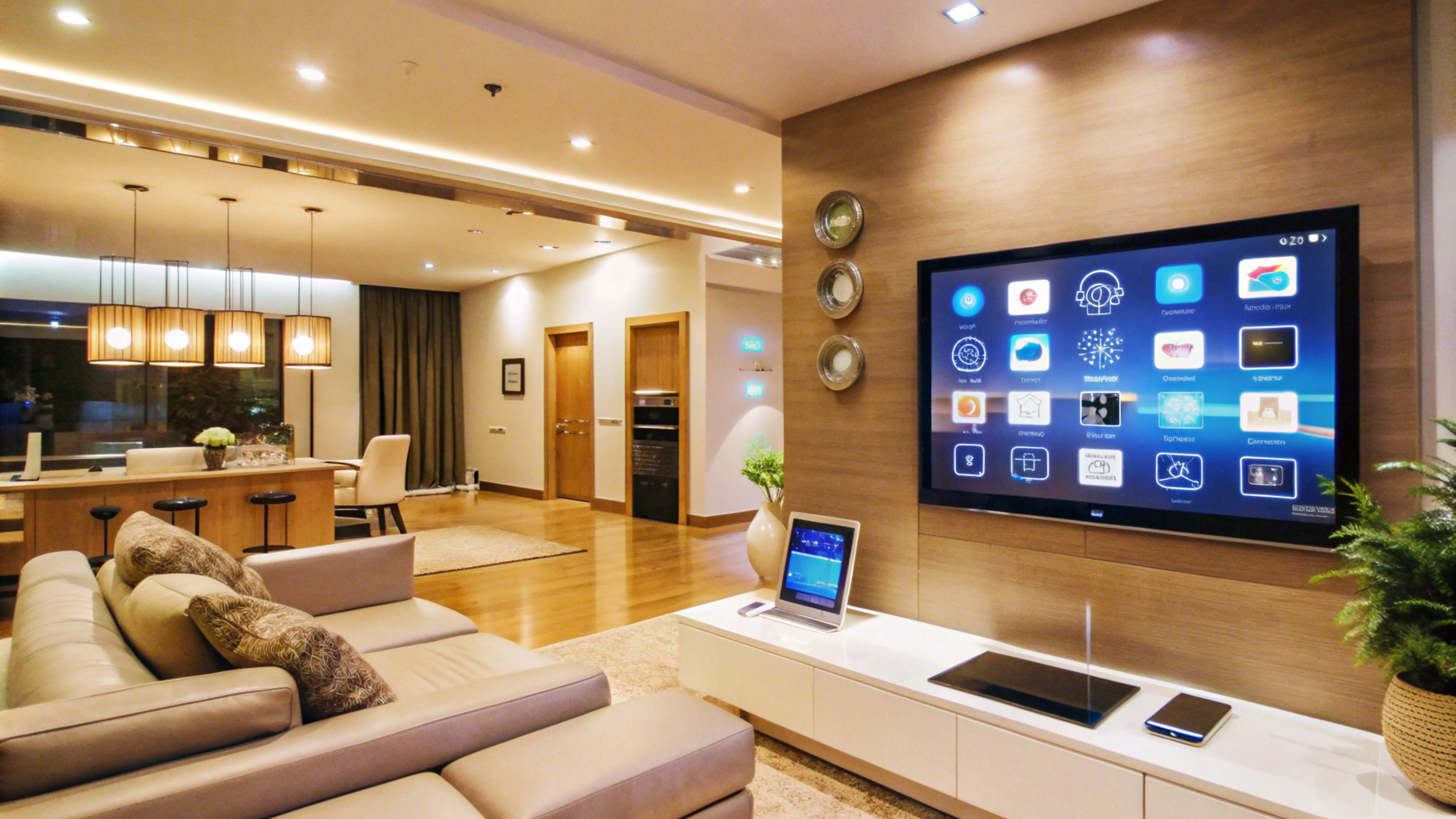
Home Automation is the technology that enables a user to control and coordinate multiple home systems automatically. It goes beyond simply using a remote control to switch on and off lights and fans. Home automation is technology that makes your home truly smart by enabling actions without any manual input. These are achieved through rules, schedules, sensors and learned user behavior. The prime focus of home automation is to enhance the user’s comfort, safety and convenience. With home automation, repetitive tasks and human dependency is majorly eliminated.
Home Automation with respect to IoT
IoT is an abbreviation for Internet of Things which refers to the internet connected to physical devices that send and receive data from each other. Devices like smart sensors, switches, appliances and controllers make up the IoT infrastructure. Home automation uses this exchange of data to trigger actions automatically. Logic engines or hubs process inputs and execute the automation process.
For example, a user clicks an evening ambience button on a smart switch. This input is communicated to the hub within milliseconds, which then processes this data and turns it into an actionable decision, triggering the curtain drivers to start functioning, the lights to dim based on the user’s personalized preferences, and the temperature to be adjusted. Home automation adds context and intelligence to IoT. Without automation, IoT is simply a reactive, command based robot.
Smart Devices Vs Smart Homes
As a modern day consumer, one surrounded by smart devices like smart voice assistants, smart coffee brewers, smart lights, etc. Each device typically has its own interface and requires constant input from the user. For example, a smart bulb, a smart AC, and a security camera often each require separate apps to control lighting, temperature, and surveillance.
Smart home automation on the other hand integrates various independent devices into a unified system. No need to keep track of ten different phone apps for ten different smart devices. Home automation enables devices to communicate with each other and respond collectively. Home automation works with contextual actions instead of manual control. Smart devices are tools but a smart home is a curated environment.
Home Automation in Daily Life
As a collective force, home automation exists to make the homeowner’s life as convenient and effortless as possible by learning the needs of the home residents and responding intuitively to them. Here are a few examples on how home automation helps improve daily routines.
-
Routine Based Automation
AC temperatures, lighting, curtains or drapes, aroma diffusers and entertainment devices like speakers, gaming consoles, TVs and projectors adjust based on a scheduled time set by the user.
-
Energy Centered Control
If a room is unoccupied, the lights and appliances shut off automatically based on presence sensors. High load devices can be scheduled to be shut off during the hours of the day they are typically not in use. -
Customized comfort and lifestyle
Pre-set lighting and temperature scenes can be curated for a household based on their preferences, moods and schedules. Each room adjusts to the occupier's needs with just a single pre-set command. For example, a user clicks the morning button on the smart switch and the smart home obliges. The curtains open, the morning playlist starts, the lights adjust based on the daylight and the AC temperature shifts as per preference. Your home knows what you need and provides it at the drop of a hat. -
Automation for Safety and Security
From your smart lock securing your front door at night to cameras and alarms making sure the household is aware of any lurkers at all times, smart security is one of the best ways to invest in home automation.
What makes a Home Automated?
A smart home is not a mere collection of several smart devices strung together to work on command. It is a smartly curated and logic driven centralized control system that senses the needs of the household and works intuitively to optimize their routines and keep them comfortable. Home Automation isn’t just about merely starting or shutting appliances and lights in a room. It is about creating just the right atmosphere needed by the user, pre-set by rule based logical communications that are scalable and adaptable to any and every user’s lifestyle.
Final Thoughts
Home Automation is about systems working together to curate a lifestyle. Individual gadgets can only go so far as automatically controlling a few lights and appliances here and there. But home automation shifts homes from being reactive to being intuitively responsive in the most personalized way possible. It seamlessly adds value to daily routines and becomes part of the family smoothly and imperceptibly, shaping how spaces adapt, anticipate needs, and quietly support everyday living without constant attention or conscious effort from the household.
Category: Home Automation Explained